By Himanshu and Arushi. Updated . We haven't been here yet, so this guide is researched.
For more than a thousand years, a kingdom called Champa ruled Vietnam's central coast. Its kings worshipped Shiva and carved their prayers in Sanskrit. Three of their temples are still standing, and people still pray at two of them. Here's how to visit all three.
The story of Champa
The name
The kingdom is said to take its name from चम्पाChampa, the ancient capital of Anga near today's Bhagalpur in Bihar. Historians still debate exactly how the name travelled.
4th–13th c.
Cham kings build red-brick temples for Shiva in the valley of My Son, and write their inscriptions in Sanskrit.
15th c. on
Champa shrinks as Vietnam expands south, and by the 1800s the last of the kingdom is gone.
Today
The Cham are one of Vietnam's ethnic groups. The Cham Balamon community, mostly around Phan Rang, still follows a Hindu tradition with its own priests, temples and festivals.
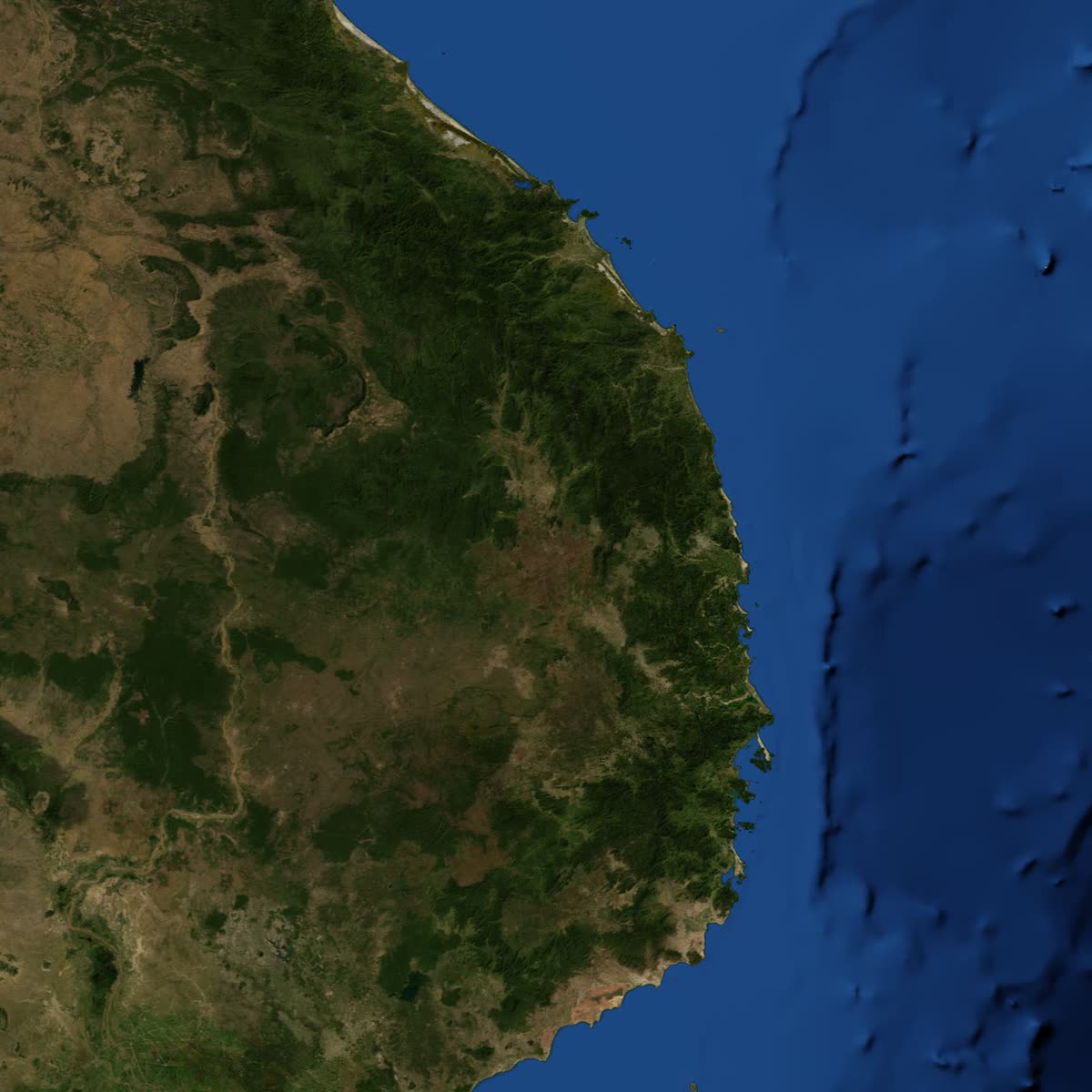
Tap a pin to jump to that temple. Pins are approximate. Imagery: NASA Blue Marble.
The three temples
Same order as the reel, from north to south down the coast.
1
Jungle valley west of Hoi An
My Son
A valley of red-brick temples built from the 4th to the 13th century, most of them for Shiva. Nobody is fully sure how the bricks were joined, because you can barely see any mortar. Much of it was bombed in the Vietnam War. It's a UNESCO World Heritage Site.
See
The temple groups in the main valley, with lingas, carved doorways and Sanskrit inscription stones
The small site museum at the entrance
The free Cham Apsara dance show
Get there
About 40 km (1–1.5 hours by road) from Hoi An, or about 70 km from Da Nang. An electric cart takes you from the ticket gate to the ruins.
Entry
About 150,000₫ (≈ ₹550) for a foreign adult. Tickets are also sold online on the sanctuary's official site.
Hours
Roughly 6 am to 5 pm. The dance show usually runs around 9:30 am, 10:30 am and 2:30 pm; check on the day.
Best time
February to August is drier. October to December brings heavy rain and flooding.
Tip: be there at opening. It's cooler, quieter, and the mist is often still in the valley. Wear proper shoes and stay on the marked paths.
2
Nha Trang, on the coast
Po Nagar
Cham towers on a hill above the river mouth, built for a mother goddess that the Cham inscriptions call Bhagavati. It's still an active temple, so you'll see incense, offerings and people praying.
See
The main tower, with the goddess inside
The pillared hall at the foot of the towers
The view over the Cai river and Nha Trang's fishing boats
Get there
A short Grab or taxi ride north of central Nha Trang. Cam Ranh airport is about 45 minutes away.
Entry
About 30,000₫ (≈ ₹110), paid in cash
Hours
Roughly 6 am to 5:30 pm
Best time
January to August. The temple's own festival falls in the 3rd lunar month, around March or April.
Tip: cover your shoulders and knees to go inside the towers, and take your shoes off where asked. Go early morning or late afternoon for softer light and fewer tour groups.
3
Phan Rang, south-central coast
Po Klong Garai
A hilltop temple for Shiva from around the late 13th century, with a linga in the main tower. It's where Cham Hindus hold Kate, their biggest festival of the year.
See
The three towers on Trau Hill, and the dancing Shiva carved over the main door
Sunset over the dry Phan Rang plain
Nearby Cham villages: Bau Truc for pottery and My Nghiep for weaving
Get there
About 7 km west of Phan Rang town, and roughly 2 hours by road south of Nha Trang. Thap Cham railway station is just below the hill.
Entry
About 20,000₫ (≈ ₹75), with an optional electric cart up the hill
Hours
Roughly 7 am to 5 pm
Kate festival
The 7th month of the Cham calendar, usually around late September or early October. A procession carries the king's sacred robes up to the tower. Check the dates locally each year.
Tip: climb in the late afternoon. It's one of the driest, sunniest parts of Vietnam, so carry water and a hat.
Plan the trip
All three fit into one trip down the coast.
Down the coast in 5 days
Start in Da Nang, finish at Cam Ranh airport
Day 1–2Da Nang and Hoi An, with My Son at sunrise on one morning
Day 3Fly Da Nang to Cam Ranh (about 1 hour), or take the train to Nha Trang
Day 4Po Nagar in the morning, Nha Trang beach in the afternoon
Day 5Road trip to Phan Rang: Po Klong Garai and a Cham village, then back to Cam Ranh
From India
Check these before you book
VisaE-visa on the official site, evisa.gov.vn: about US$25 for single entry
FlightsMost non-stop flights from India land in Hanoi or Ho Chi Minh City. Connect to Da Nang or Cam Ranh, or check for direct routes.
Money₹1 is about 270₫ (Sep 2026). Carry cash for tickets and small shops.
Visit respectfully
Two of these are living temples
Cover shoulders and knees, and take your shoes off where asked.
Don't climb on the towers, lingas or carvings.
Ask before photographing people praying or Cham priests.
During festivals, give processions room and follow the organisers.
Shiva on Vietnam's coast. Who knew?
Follow @thecurryandpho on Instagram for more of India and Southeast Asia, and the places where they meet.
Fees, hours and show times are approximate, come from travel sources checked in November 2026, and change often, so check locally before you go. Festival dates follow the Cham and lunar calendars and move each year. Map imagery: NASA Blue Marble (public domain).